
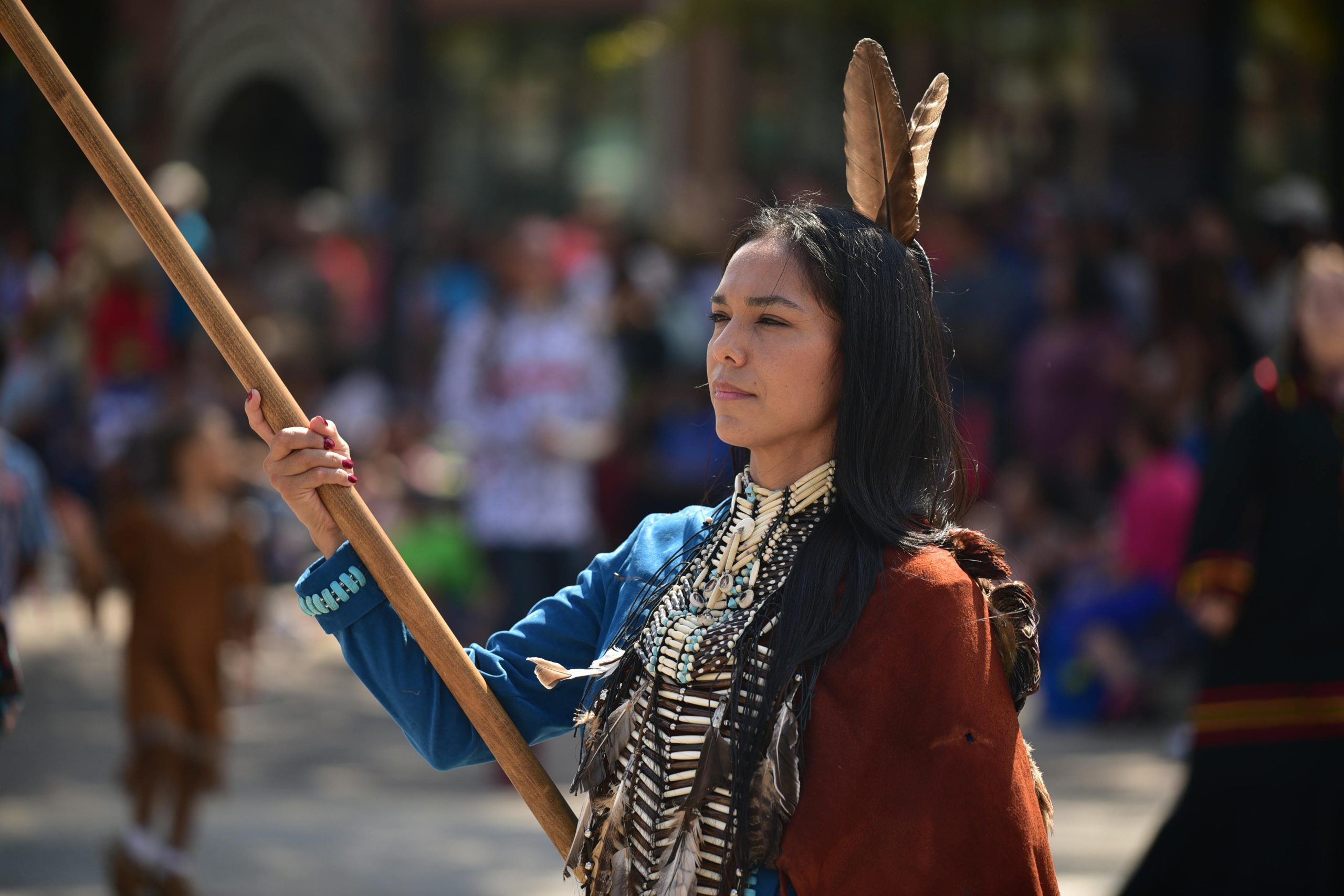
Why We Uplift Native Businesses and Show Up on Native Land
At Her Seed Bank, we believe in more than just selling seeds—we believe in showing up, standing in solidarity, and using our platform to do better. A big part of that means uplifting Native-owned businesses and doing as much work as possible on Native land. It’s not performative; it’s purposeful. And as a white woman, I feel deeply obligated to acknowledge the wrongs that have been done—and still continue—against the Indigenous peoples of Turtle Island and to be part of the movement to repair and rebuild.
This isn’t charity. This is about justice, equity, and truth.
 1. Economic Empowerment and Job Creation
Tribal businesses are a lifeline. They’re often the heartbeat of the community—creating jobs, feeding families, and opening doors to opportunity in places where colonial systems have historically slammed them shut. By supporting Native-owned businesses, we’re helping generate local revenue, foster entrepreneurship, and invest in futures that belong to the people who have always belonged to this land.
Economic empowerment isn’t just good for the community—it’s essential for survival, sovereignty, and sustainability.
2. Tribal Self-Sufficiency and Sovereignty
Let’s be real: Native nations know what they need. Supporting their economic ventures means helping tribes move toward greater self-sufficiency and independence from unreliable government systems that have too often failed them.
Every dollar spent at a Native-owned dispensary, farm stand, seed company, or art booth is a vote for tribal sovereignty and the right to self-govern. It’s a step away from forced dependency and a step toward autonomy, dignity, and control over their own futures.
 3. Preserving Culture, Language, and Tradition
Native businesses are more than just business. They’re living embodiments of culture, language, artistry, and deep-rooted wisdom that spans generations. Whether it’s seed keepers preserving ancestral genetics or artists sharing traditional crafts, these businesses are keeping Indigenous culture alive in a world that has tried—again and again—to erase it.
We don’t just show up for the products. We show up for the story, the heritage, the legacy that lives in every handmade item or cultivated plant.
4. Addressing Systemic Inequality
Let’s not sugarcoat it: Native communities still face major barriers due to centuries of systemic oppression—land theft, forced relocation, broken treaties, underfunded schools, lack of healthcare, and sky-high unemployment. The wealth gap is real, and so is the trauma.
Supporting Native businesses helps chip away at those injustices. It’s a tangible way to redirect resources where they should have been flowing all along—and still need to go. Economic justice is racial justice. It’s environmental justice. It’s all connected.
 5. Building Real Community—Not Just “Networking”
When we set up events on Native land or collaborate with Native-owned brands, we’re not looking to “check a box” or take up space—we’re looking to build lasting, meaningful relationships that strengthen both our communities. That means listening first, showing up respectfully, and recognizing the privilege we walk in with.
These connections deepen our understanding, hold us accountable, and remind us that none of us are free until all of us are free.
In Closing: Reparations in Action
Uplifting Native-owned businesses and organizing events on Native land is about more than “supporting a good cause.” It’s about righting centuries of wrongs, shifting power, and putting our money and energy where our values are.
As someone who benefits from systems built on colonization, I can’t undo the past—but I can damn sure take responsibility for how I move through the present and shape the future. We all can.
And if you’ve ever wondered how you can be an ally to Indigenous communities—start by listening, learning, and supporting Native businesses. It’s one small but powerful way to invest in healing, justice, and a better future for all of us on Turtle Island.
For More info on how to help click here: https://www.niwrc.org/donate